How AI Mobile Healthcare Clinics and Mobile Healthcare Are Coming Together
The Impact of AI Mobile Healthcare Clinics on Patient Outcomes
As healthcare continues to evolve, the integration of artificial intelligence in mobile healthcare clinics is becoming increasingly pivotal. This transformation not only streamlines services but also enhances patient care in ways that were previously unimaginable. The following sections will delve deeper into the specifics of how AI is enhancing patient access through various functionalities.
For instance, AI algorithms can analyze vast amounts of data to predict patient needs and outcomes, allowing clinics to prepare and allocate resources more effectively. This proactive approach ensures that clinics can cater to patient requirements promptly, thereby reducing wait times and improving overall satisfaction.
Moreover, AI technologies enable clinics to personalize patient interactions, making healthcare more relatable and comfortable for patients. By analyzing individual preferences and historical data, AI can recommend treatments or follow-up appointments tailored to each patient’s unique situation.
This shift towards a more personalized healthcare experience can significantly enhance trust and engagement from patients, leading to better adherence to treatment plans and improved health outcomes. In addition, mobile healthcare clinics equipped with AI capabilities can efficiently manage high patient volumes, ensuring that no individual falls through the cracks.
For example, AI-driven chatbots can be employed to provide patients with immediate responses to their inquiries, schedule appointments, and even conduct preliminary assessments based on symptoms reported by the patient. This technology not only speeds up the communication process but also frees up medical staff to focus on more critical tasks.
Artificial intelligence is transforming healthcare. From scheduling and diagnostics to patient communication, AI is helping providers operate more efficiently than ever before.
Timely access to healthcare services is critical for effective treatment. AI scheduling systems utilize algorithms that not only manage appointments but also predict peak times for patient visits. This forecasting enables clinics to allocate more staff during busy periods, thereby decreasing wait times and enhancing patient satisfaction.
Furthermore, by integrating patient data, these systems can send reminders and follow-ups, minimizing the risk of missed appointments and ensuring patients receive timely care. Such proactive measures can lead to higher patient retention rates and improved health outcomes.
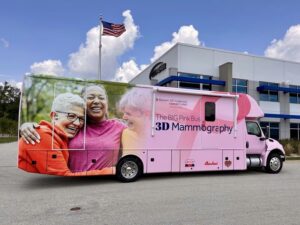
AI Mobile Healthcare Clinics are transforming healthcare by enhancing the way providers connect with patients.
As mobile healthcare continues to grow, healthcare systems are beginning to combine AI technology with mobile medical environments to improve patient access and care delivery.
The efficiency of AI in scheduling extends to managing emergency situations. For mobile clinics operating in remote areas, a well-structured scheduling system can be the difference between life and death. For instance, during natural disasters or health crises, AI can optimize the deployment of mobile units to areas with the greatest need, ensuring swift medical intervention.
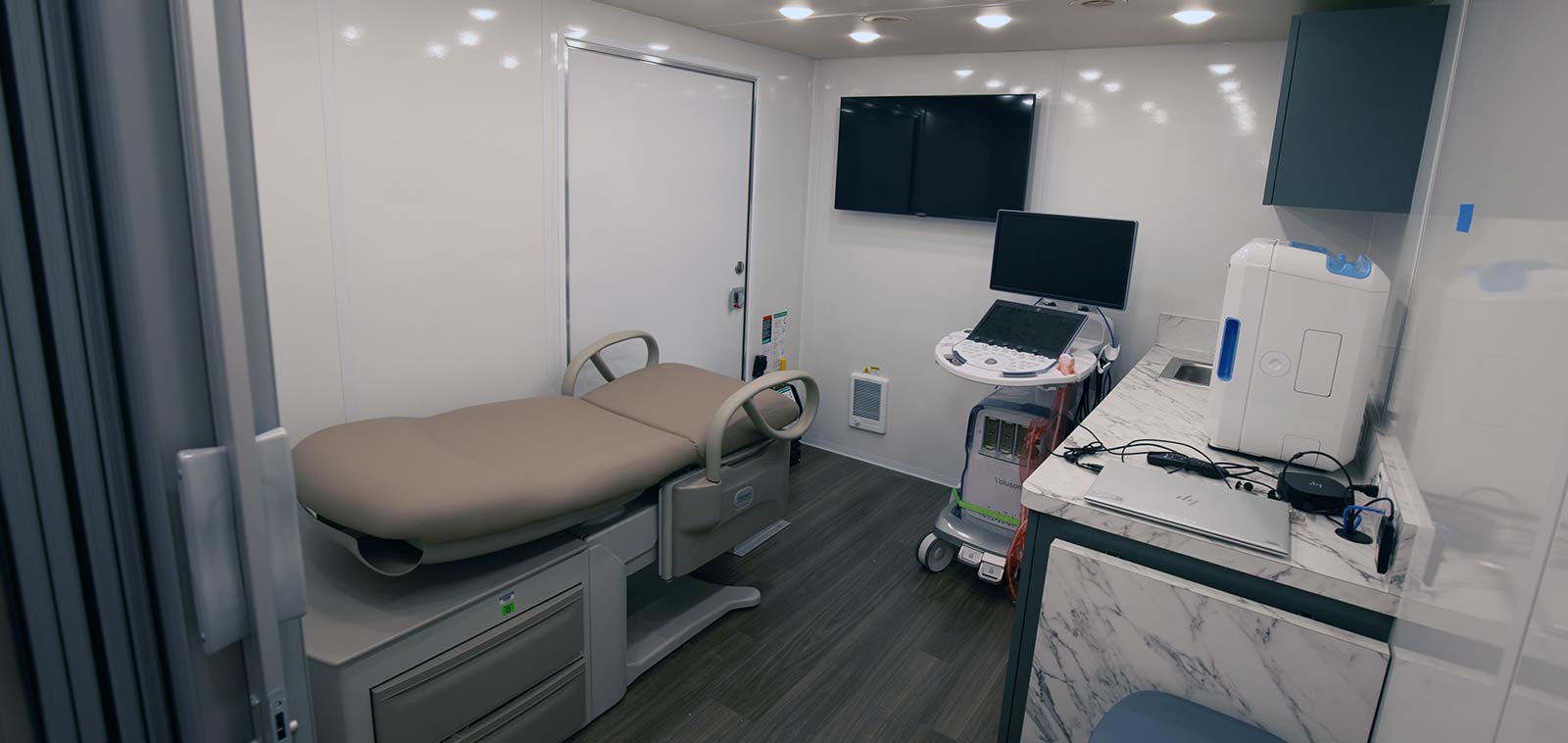
AI’s role in diagnostics is pivotal, especially in mobile healthcare settings where time is of the essence. By quickly analyzing patient data, medical histories, and imaging results, AI can assist healthcare professionals in making rapid decisions about necessary treatments.
AI Mobile Healthcare Clinics represent an exciting step forward for providers seeking better outcomes and operational efficiency.
1. AI Improves Patient Scheduling and Reduces Wait Times
Scheduling challenges can create delays in care.
3. AI Supports Remote Patient Monitoring and Continuous Care
Remote monitoring solutions powered by AI enable healthcare providers to track essential health metrics of patients outside traditional clinical settings. Continuous monitoring of chronic conditions such as diabetes or hypertension allows for real-time adjustments to care plans, promoting better management of these conditions.
These systems can alert healthcare professionals to critical changes in a patient’s condition, prompting timely interventions that can prevent emergencies. For example, wearable technologies can track heart rates and alert medical personnel if there are abnormal readings, enabling immediate care.
AI-powered scheduling tools help providers optimize appointments, reduce no-shows, and improve patient flow.
4. AI Improves Mobile Clinic Efficiency and Patient Flow
Operational efficiency is crucial for any healthcare service. AI can analyze data to optimize various aspects of mobile healthcare clinics, such as route planning for visits to ensure that the clinics arrive at their destinations on time while maximizing patient interactions.
By collecting and analyzing data on patient flow and service times, AI can provide insights into where bottlenecks occur, enabling clinics to make informed decisions on staffing and resource allocation to enhance patient care.
Additionally, AI can facilitate better inventory management by predicting which supplies will be needed based on the types of services provided and the patient demographics served. This ensures that mobile clinics are well-equipped to meet patient demands without unnecessary waste.
The integration of AI into remote monitoring also enhances patient engagement. Patients can receive feedback on their health metrics through mobile applications, encouraging them to take an active role in their health management.
5. AI Expands Access in Rural Communities and Underserved Areas
Access to healthcare remains a significant challenge in rural areas where patients often travel long distances to receive care. AI empowers healthcare organizations to bridge this gap by providing telehealth capabilities through mobile clinics.
For instance, AI systems can guide mobile units to areas experiencing a shortage of healthcare professionals, ensuring that resources are allocated efficiently based on real-time needs. This targeted approach helps to extend services into regions where access to specialists is severely limited.
The effectiveness of AI tools in managing patient data and providing remote consultations ensures that individuals in remote areas receive the same level of care as those in urban settings, which is pivotal for improving health equity.
For mobile healthcare clinics, this means serving more patients with greater efficiency.
Frequently Asked Questions
External Resource: https://www.healthit.gov
Moreover, as mobile clinics become more prevalent in underserved communities through the integration of AI technologies, they can serve as a sustainable model for enhancing healthcare access and efficiency. This evolution supports the overall goal of making healthcare more inclusive.
This capability not only expedites the diagnostic process but also enhances accuracy, reducing the likelihood of misdiagnosis. For example, AI can identify subtle patterns in imaging that human eyes might miss, thereby facilitating earlier interventions.
2. AI Helps Reduce Diagnostic Delays
Artificial intelligence is increasingly being used to assist healthcare providers in reviewing medical images and identifying abnormalities.
AI-driven patient communication tools can also enhance efficiency, allowing clinics to keep patients informed about their care options and appointment details without overburdening healthcare staff.
These tools can support faster diagnoses and improve care delivery.
The emergence of AI mobile healthcare clinics not only addresses the pressing issues of access and efficiency but also signifies a paradigm shift towards a more integrated approach to healthcare. As technology continues to advance, these clinics will undoubtedly become instrumental in shaping the future healthcare landscape.
Embracing AI innovations will allow healthcare providers to deliver patient-centered care that addresses individual needs while adapting to the rapidly changing healthcare environment. As we move forward, AI Mobile Healthcare Clinics will play a crucial role in ensuring that everyone has access to the care they need when they need it.
By collaborating and integrating these advancements, organizations like CGS Mobile Health Clinics are committed to building a healthier future for all, demonstrating that when technology and compassion meet, the results can be transformative.
As mobile clinics adopt these technologies, they can offer comprehensive care that extends beyond physical visits, which is particularly advantageous for patients in isolated areas where healthcare access is often limited.
Mobile diagnostic units equipped with advanced technology can benefit from these innovations.
Learn more: https://cgspremiermobilehealthclinics.com/mobile-medical-clinics/
3. AI Supports Remote Patient Monitoring
Remote monitoring technology allows providers to track patient health between visits.
AI helps analyze this data and identify potential concerns before they become serious.
In remote areas where specialist access is limited, AI tools can provide clinicians with the insights they need to deliver accurate care. These real-time analytical tools can be critical in ensuring that patients receive appropriate treatment adjustments based on their evolving conditions.
This creates opportunities for earlier intervention and improved outcomes.
4. AI Improves Mobile Clinic Efficiency
Healthcare providers constantly look for ways to improve operational performance.
AI can help optimize routes, staffing schedules, inventory management, and patient communication.
These efficiencies allow mobile healthcare programs to serve more communities effectively.
External Resource: https://www.cms.gov
5. AI Expands Access in Rural Communities
Many rural communities face provider shortages and limited access to specialty care.
AI-powered tools help healthcare organizations extend expertise into underserved regions.
Combined with mobile healthcare units, these technologies can improve healthcare accessibility while reducing barriers to care.
Explore mobile healthcare solutions: https://cgspremiermobilehealthclinics.com/mobile-healthcare-units/
Frequently Asked Questions
What are AI mobile healthcare clinics?
They are mobile healthcare environments that incorporate artificial intelligence technologies to improve patient care and operational efficiency.
How is AI used in mobile healthcare?
AI can support scheduling, diagnostics, patient monitoring, communication, and operational management.
Will AI replace healthcare providers?
No. AI is designed to support healthcare professionals and improve efficiency, not replace clinical expertise.
Conclusion: The Future of AI Mobile Healthcare Clinics
AI mobile healthcare clinics are creating new opportunities to improve access, efficiency, and patient outcomes.
As healthcare technology continues to evolve, combining AI with mobile healthcare will help providers reach more patients and deliver better care.
Learn how CGS Mobile Health Clinics is helping healthcare organizations build the future of care at https://cgspremiermobilehealthclinics.com/.