5 Ways Rural Healthcare Funding Changes Are Driving Massive Growth in Mobile Clinics
Rural healthcare providers across the United States are under increasing pressure to improve access to care while managing rising operational costs. In 2026, new funding initiatives and healthcare reform programs are pushing hospitals and providers to rethink how they serve remote and underserved communities. One of the biggest shifts happening right now is the rapid expansion of mobile healthcare clinics. This transformation is part of the broader trend of 5 Ways Rural Healthcare Funding Changes Are Driving Massive Growth in Mobile Clinics, reflecting the evolving landscape of healthcare delivery.
Mobile medical units are helping providers reach patients faster, lower infrastructure costs, and deliver care in areas where permanent facilities may not be practical. As funding priorities continue to focus on accessibility and measurable outcomes, mobile healthcare is becoming a major part of the solution.
As these changes take shape, it is clear that 5 Ways Rural Healthcare Funding Changes Are Driving Massive Growth in Mobile Clinics will continue to shape the future of healthcare access in rural areas.
5 Ways Rural Healthcare Funding Changes Are Driving Massive Growth in Mobile Clinics is not just a statement, but a reality that is unfolding across the nation as healthcare providers adapt to the needs of their communities.
1. Rural Hospitals Need Faster Expansion Options
Many rural healthcare systems do not have the budget or timeline needed for traditional construction projects. Building a permanent facility can take years and requires significant capital investment. Mobile healthcare clinics offer a faster alternative.
Providers can deploy units quickly and begin serving patients much sooner. This flexibility allows healthcare systems to respond to growing demand without waiting for lengthy construction timelines.
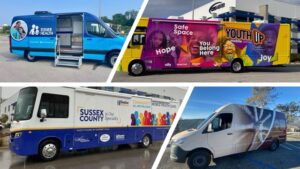
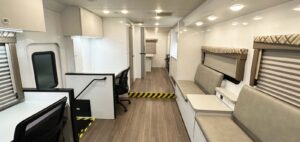
Companies like CGS Mobile Health Clinics are helping providers design custom mobile healthcare environments that support imaging, oncology, diagnostics, primary care, and more.
2. Funding Is Shifting Toward Community Access
Federal and state healthcare programs are placing a stronger focus on access to care. Providers are being encouraged to improve patient reach, reduce missed appointments, and expand preventative services.
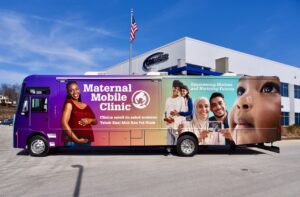
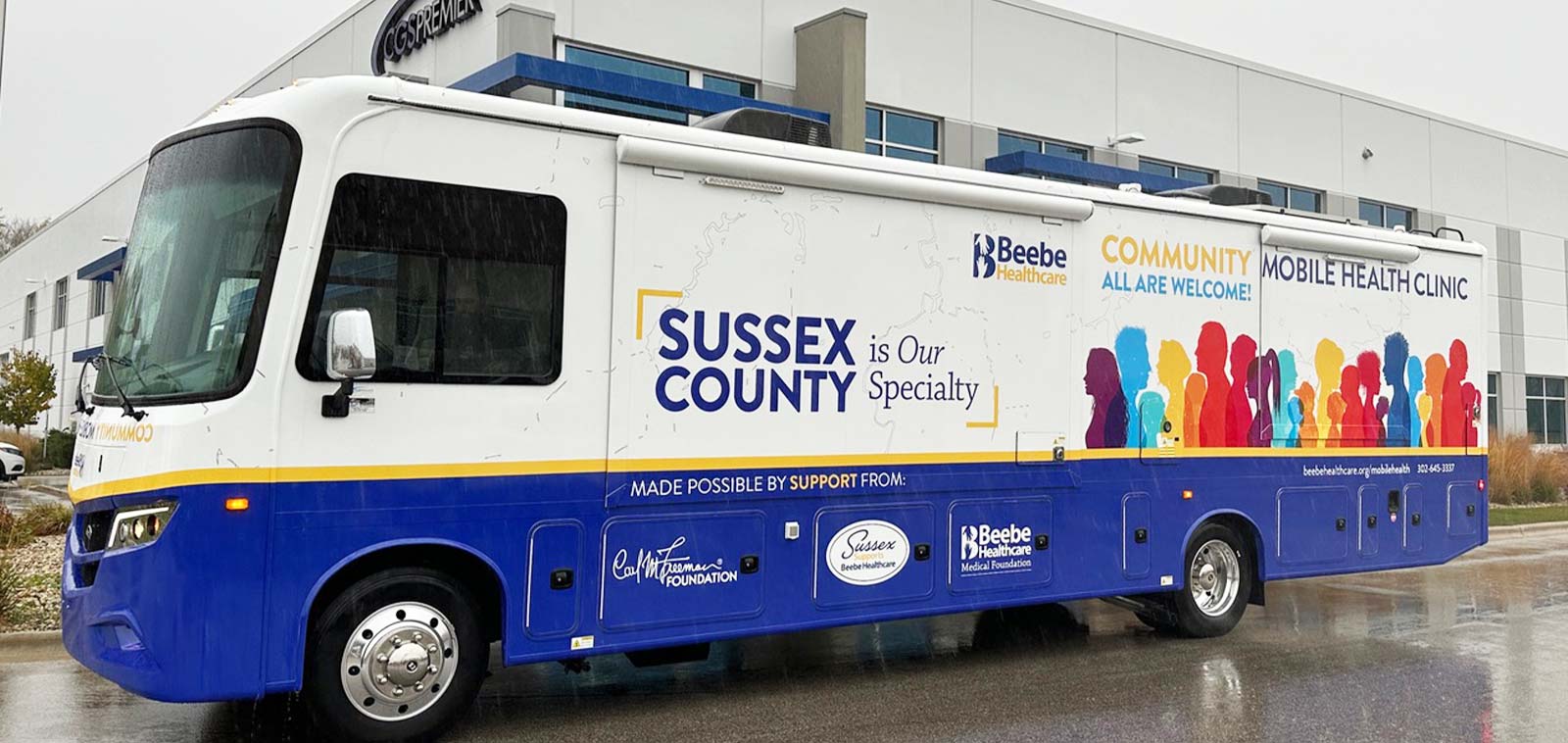
Mobile healthcare units support these goals by bringing services directly into communities. Instead of requiring patients to travel long distances, providers can position units near schools, community centers, or underserved rural areas.
According to the Health Resources and Services Administration, improving healthcare accessibility remains a major national priority.
3. Mobile Clinics Lower Operational Costs
Mobile healthcare clinics often cost less to deploy and maintain than permanent facilities. Providers can reduce expenses related to large buildings while still delivering high quality care.
Mobile units also provide flexibility. Healthcare systems can move units based on patient demand or seasonal needs. This helps maximize utilization and improves long term value.
Reliable transportation logistics also play an important role in successful deployments. Experienced providers like Event Marketing Drivers support mobile operations by providing CDL drivers and transportation services for specialized mobile assets.
4. Preventative Care Is Becoming a Bigger Priority
Healthcare providers are placing greater emphasis on preventative care and early detection. Mobile clinics make it easier to deliver screenings, wellness checks, and diagnostic services directly to communities.
This is especially important in rural areas where patients may delay care because of travel distance or limited provider access.
Mobile healthcare environments designed by CGS Mobile Health Clinics help providers create efficient patient workflows while supporting advanced medical equipment and accessibility requirements.
5. Mobile Healthcare Supports Long Term Growth
Mobile healthcare is no longer viewed as a temporary solution. Providers are integrating mobile assets into long term healthcare strategies.
As healthcare systems continue to focus on accessibility, flexibility, and patient engagement, mobile clinics are becoming a core part of care delivery. Providers can expand into new markets, improve patient satisfaction, and react quickly to changing healthcare needs.
Many organizations also rely on specialized mobile assets for outreach and education campaigns. Leasing options from Event Vehicle Leasing give healthcare organizations additional flexibility when expanding programs or launching new initiatives.
Final Thoughts
Rural healthcare funding changes are accelerating demand for mobile clinics across the country. Providers need flexible, cost effective solutions that improve access and support better patient outcomes.
Mobile healthcare clinics deliver that flexibility while helping providers respond quickly to changing healthcare demands. As funding continues to prioritize accessibility and preventative care, mobile healthcare will continue to play a major role in the future of rural medicine.