Climate related disasters are increasing in both frequency and severity across the United States, placing growing pressure on healthcare systems. Hurricanes, floods, wildfires, and extreme weather events can disrupt access to hospitals and delay critical care. In response, mobile healthcare units are becoming an essential part of emergency preparedness and response strategies.
Recent data from the Federal Emergency Management Agency shows that disasters are impacting more communities each year, often overwhelming local healthcare infrastructure. When facilities are damaged or inaccessible, mobile medical units provide a rapid and reliable way to deliver care where it is needed most.
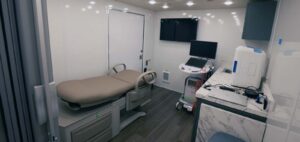
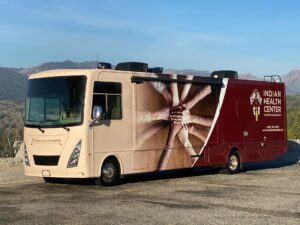
Mobile healthcare environments can be deployed quickly to support triage, diagnostics, and treatment. These units can be positioned near disaster zones, evacuation sites, or temporary shelters to ensure patients have access to essential services. From imaging and laboratory testing to urgent care and specialty treatments, mobile clinics are capable of supporting a wide range of medical needs in high pressure situations.
Flexibility is one of the defining advantages of mobile healthcare. Units can be scaled based on the size and scope of the emergency and relocated as conditions change. Organizations such as the American Red Cross are increasingly incorporating mobile solutions into their disaster response efforts to improve speed and efficiency.
Beyond immediate response, mobile healthcare units also play a critical role in long term recovery. After a disaster, communities often face ongoing disruptions to healthcare access. Mobile clinics can remain in place to provide continued care while permanent facilities are repaired or rebuilt. This helps manage chronic conditions, support mental health services, and reduce the burden on nearby hospitals.
As climate driven emergencies continue to evolve, healthcare systems must adapt. Mobile healthcare offers a proactive solution that enhances resilience and ensures continuity of care under challenging conditions. By integrating mobile units into emergency planning, providers can better protect communities and respond effectively when disasters occur.
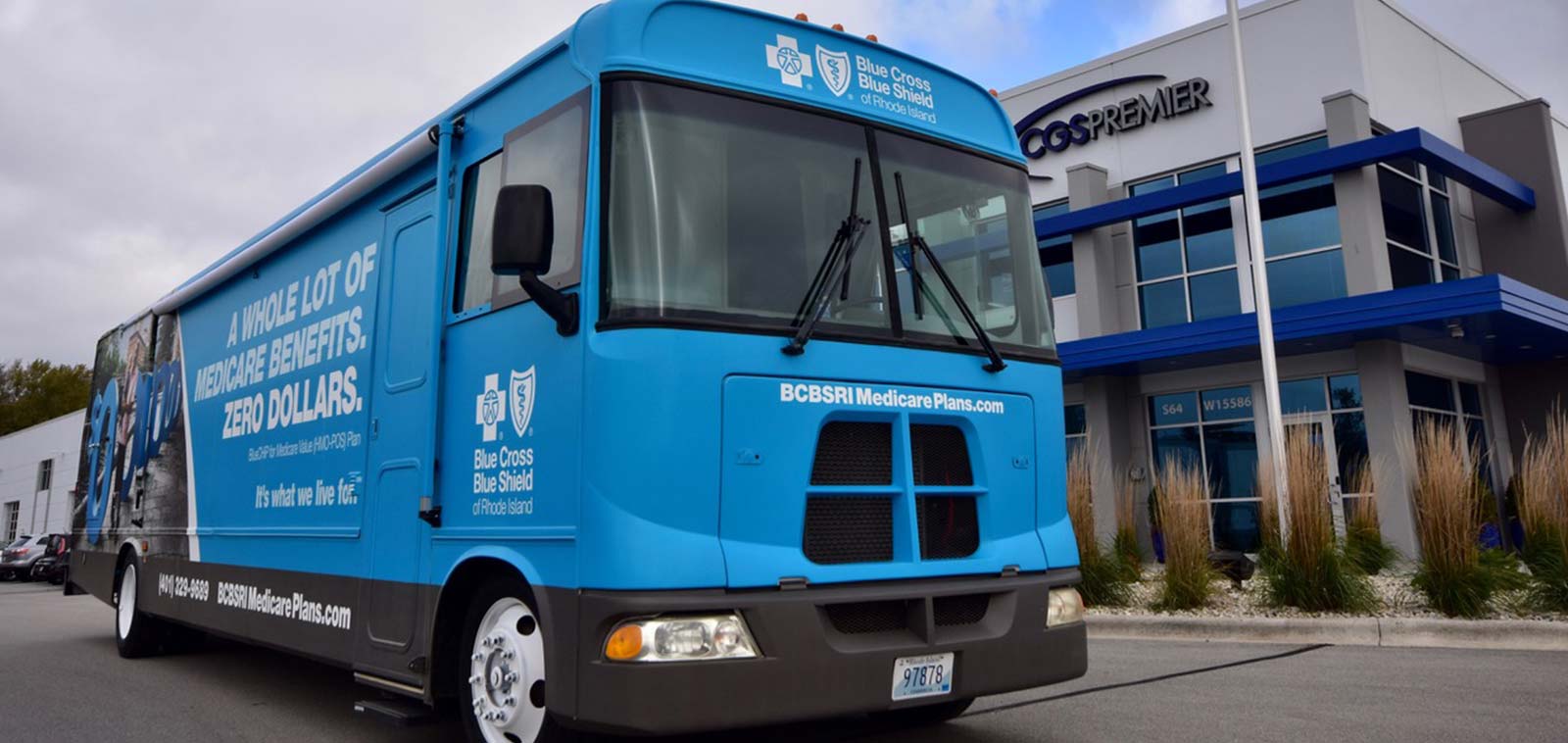
Healthcare organizations and government agencies should evaluate how mobile healthcare units can strengthen their emergency response strategies. Working with experienced partners like CGS Mobile Health Clinics ensures deployable care environments are built for rapid response, durability, and long term performance.