
Why Disaster Preparedness Matters More Than Ever
Natural disasters are becoming more frequent and more costly. Hurricanes, floods, wildfires, and severe storms continue to challenge healthcare systems across the country.
Understanding Mobile Healthcare Disaster Response is crucial for effective management during these events.
Healthcare providers must be prepared to maintain access to care when permanent facilities become compromised.
Mobile healthcare disaster response strategies are helping organizations strengthen preparedness and improve resilience in the face of challenges like natural disasters.
Mobile Healthcare Disaster Response Strategies
1. Relying Too Heavily on Permanent Facilities
Many disaster plans assume hospitals and clinics will remain operational.
Unfortunately, flooding, power outages, and structural damage can quickly disrupt healthcare operations.
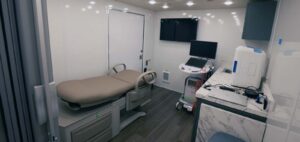
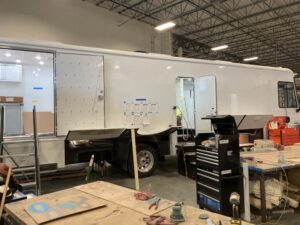
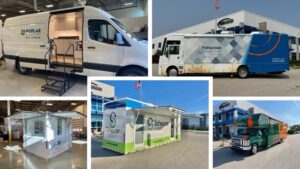
Mobile healthcare units provide a flexible backup solution when traditional facilities become inaccessible.
2. Not Having Mobile Surge Capacity
Patient volume often spikes during disasters.
Without additional treatment capacity, healthcare systems can quickly become overwhelmed.
Mobile healthcare units provide surge capacity that can be deployed rapidly to support emergency operations.
Learn more: https://cgspremiermobilehealthclinics.com/mobile-healthcare-units/
3. Limited Community Outreach Plans
Healthcare access often becomes more difficult during emergencies.
Mobile healthcare clinics allow providers to bring services directly into affected communities, reducing barriers to care during critical situations.
4. Delayed Emergency Deployment
Speed is essential during a disaster response.
Organizations without mobile assets may struggle to establish treatment locations quickly.
Mobile healthcare clinics can be deployed where they are needed most, often within hours.
External Resource: https://www.fema.gov
5. Lack of Healthcare Continuity Planning
Patients still require ongoing care after a disaster.
Chronic disease management, follow-up visits, and prescription support cannot simply stop.
Mobile healthcare units help maintain continuity of care during recovery efforts.
6. Underestimating Long-Term Recovery Needs
Recovery often takes months or years.
Healthcare systems need flexible solutions that remain operational throughout rebuilding efforts.
Mobile clinics can continue providing services while damaged facilities are repaired or replaced.
Learn more about deployable healthcare environments: https://cgspremiermobilehealthclinics.com/
Frequently Asked Questions
What is mobile healthcare disaster response?
Mobile healthcare disaster response uses deployable medical units to provide care during emergencies and recovery efforts.
What services can mobile healthcare units provide during disasters?
Services may include triage, diagnostics, treatment, screenings, and specialty care.
Why are mobile healthcare units important during emergencies?
They provide flexibility, rapid deployment, and continuity of care when traditional facilities are unavailable.
Conclusion
Healthcare organizations can no longer rely solely on permanent facilities to support emergency response.
Mobile healthcare disaster response solutions help providers maintain patient access, improve preparedness, and strengthen community resilience.
Visit https://cgspremiermobilehealthclinics.com/ to learn how CGS Mobile Health Clinics supports healthcare organizations with custom mobile healthcare solutions.