Rural Healthcare Challenges Are Creating New Opportunities for Mobile Clinics
Rural healthcare providers are facing increasing pressure to serve more patients with fewer resources. Across the United States, hospital closures, physician shortages, and growing travel distances are making it harder for patients to access care.
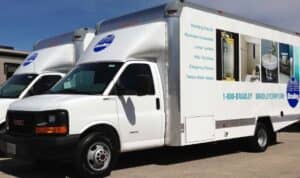
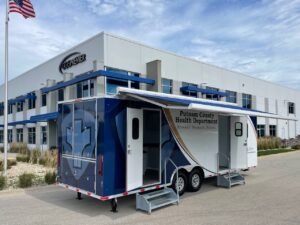
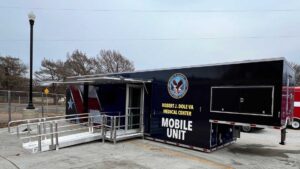
As healthcare systems search for practical solutions, mobile clinics for rural healthcare are becoming a preferred option. These mobile medical environments allow providers to expand services, improve access, and reach patients where they live.
Rather than investing millions in new construction projects, many healthcare organizations are deploying mobile healthcare units that can quickly bring services directly into underserved communities.
Table of Contents
- Rural Healthcare Challenges Are Creating New Opportunities for Mobile Clinics
- Rural Hospital Closures Continue
- Provider Shortages Are Growing
- Patients Need Care Closer to Home
- Mobile Clinics Cost Less Than New Facilities
- Preventative Care Is Easier to Deliver
- Mobile Units Improve Specialty Care Access
- Funding Is Supporting Mobile Healthcare Growth
- Frequently Asked Questions
- Conclusion
1. Rural Hospital Closures Continue
Many rural communities have lost access to local hospitals over the past decade. When a hospital closes, residents often travel significant distances for care.
This creates barriers to treatment, delays diagnosis, and increases missed appointments.
Mobile clinics help fill these gaps by bringing healthcare services directly into communities that no longer have reliable access to care.
External Resource: https://www.ruralhealthinfo.org
2. Provider Shortages Are Growing
Physician shortages continue to impact rural America.
Healthcare organizations are struggling to recruit and retain providers in remote areas. Mobile healthcare units help maximize staffing resources by allowing providers to serve multiple communities from a single mobile asset.
This approach helps healthcare systems extend their reach without opening multiple permanent locations.
Learn more about custom healthcare solutions: https://cgspremiermobilehealthclinics.com/mobile-medical-clinics/
3. Patients Need Care Closer to Home
Distance remains one of the biggest barriers to healthcare access.
For many patients, traveling hours for a routine appointment simply isn’t realistic.
Mobile clinics for rural healthcare eliminate many of these challenges by delivering services directly to communities. Patients can access screenings, diagnostics, wellness visits, and specialty care closer to home.
This convenience often leads to better patient engagement and improved outcomes.
4. Mobile Clinics Cost Less Than New Facilities
Building a permanent healthcare facility requires significant time and capital.
Construction costs continue to rise, making expansion difficult for many healthcare systems.
Mobile healthcare clinics provide a more flexible and cost-effective alternative. Providers can launch services much faster while maintaining the ability to relocate assets as community needs change.
Explore available mobile healthcare solutions: https://cgspremiermobilehealthclinics.com/
5. Preventative Care Is Easier to Deliver
Preventative healthcare plays a critical role in reducing long-term healthcare costs.
Unfortunately, patients in rural communities often miss important screenings and wellness visits because of travel limitations.
Mobile clinics help providers bring preventative services directly to patients. This increases participation in screenings and supports earlier detection of health conditions.
External Resource: https://www.hrsa.gov
6. Mobile Units Improve Specialty Care Access
Access to specialty care remains a major challenge for many rural communities.
Services such as oncology, imaging, cardiology, and diagnostics are often concentrated in larger metropolitan areas.
Mobile specialty clinics help bridge this gap. Healthcare systems can deploy advanced medical services directly to underserved populations without requiring patients to travel long distances.
Learn more about specialty mobile healthcare solutions: https://cgspremiermobilehealthclinics.com/mobile-specialty-clinics/
7. Funding Is Supporting Mobile Healthcare Growth
Federal and state healthcare initiatives continue to prioritize healthcare access and community outreach.
Many healthcare systems are leveraging grant opportunities and funding programs to expand mobile healthcare services.
As policymakers focus on improving healthcare accessibility, mobile clinics are becoming a key component of long-term healthcare strategies.
External Resource: https://www.aha.org
Frequently Asked Questions
What are mobile clinics for rural healthcare?
Mobile clinics are healthcare facilities built into custom vehicles or trailers that deliver medical services directly to underserved communities.
What services can mobile healthcare clinics provide?
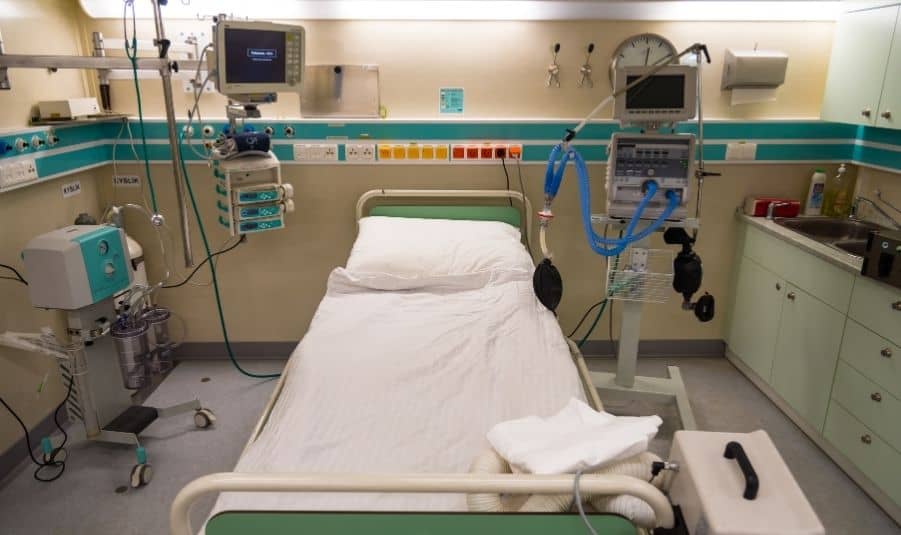
Services may include primary care, diagnostics, imaging, oncology, wellness screenings, and specialty healthcare services.
Why are healthcare systems investing in mobile clinics?
Mobile clinics help improve patient access, reduce costs, increase flexibility, and address healthcare shortages in rural communities.
Conclusion
The demand for mobile clinics for rural healthcare continues to grow as providers look for practical ways to improve access and reduce barriers to care.
Hospital closures, staffing shortages, and funding priorities are all contributing to the expansion of mobile healthcare programs. For healthcare organizations seeking flexible, scalable solutions, mobile healthcare clinics provide a proven path forward.
Explore how CGS Mobile Health Clinics can help your organization expand access and improve patient care by visiting https://cgspremiermobilehealthclinics.com/.