Enhancing Rural Healthcare through the Rural Health Transformation Program
Healthcare providers across the United States are facing increasing pressure to expand access in rural and underserved communities. Initiatives like the Rural Health Transformation Program highlight a growing focus on improving care delivery outside of traditional hospital settings. These programs aim to close gaps in access, reduce travel burdens for patients, and support more flexible, community based care models.
One of the biggest challenges in rural healthcare is infrastructure. Building permanent facilities can take years and require significant capital investment. In many cases, patient demand does not justify a full scale facility, yet access to services like primary care, imaging, and specialty treatment remains critical. This is where mobile and modular healthcare solutions provide a powerful alternative.
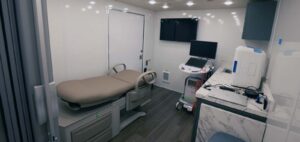
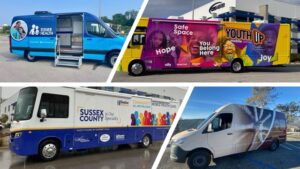
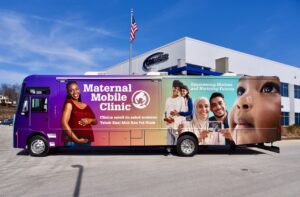
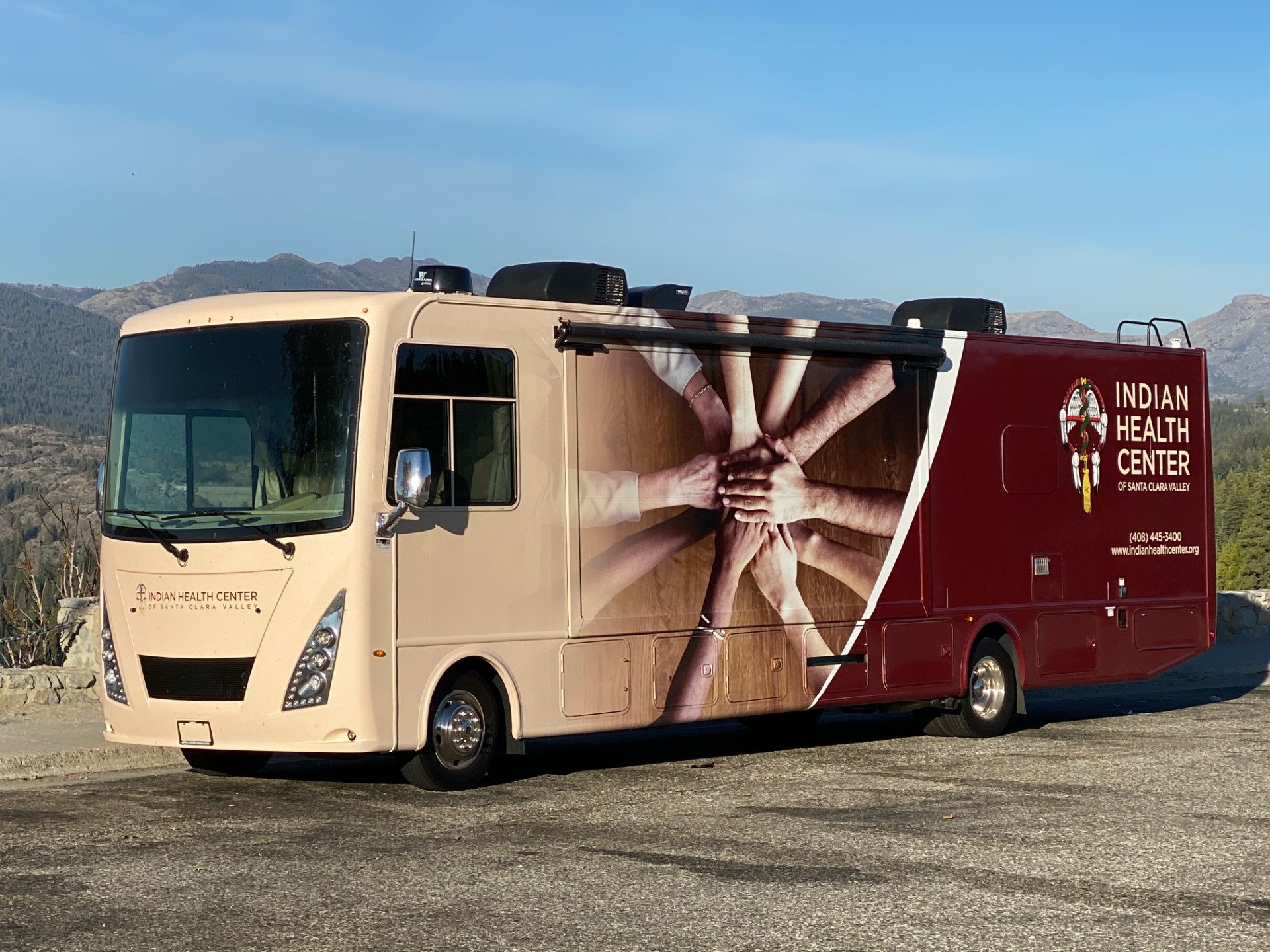
Mobile clinics and modular healthcare units allow providers to bring care directly to the communities that need it most. These environments can be fully customized to support services such as radiology, oncology, diagnostics, and preventative care. Ground level accessible designs further improve patient experience by removing barriers for individuals with mobility challenges, ensuring that care is inclusive and easy to access.
Speed and flexibility are key advantages of mobile healthcare infrastructure. Units can be deployed quickly, relocated as demand shifts, and scaled to support growing programs. This aligns directly with the goals of rural healthcare initiatives, which emphasize adaptability, cost efficiency, and measurable improvements in patient outcomes. Providers can respond faster to community needs without the long timelines associated with traditional construction.
As healthcare continues to evolve, mobile and modular solutions will play a critical role in expanding access and improving delivery models. By aligning with initiatives like the Rural Health Transformation Program, providers can invest in infrastructure that is both practical and forward thinking. These solutions not only bring care closer to patients, but also create new opportunities to deliver high quality services in communities that have historically been underserved.