As schools prepare for spring athletics and summer programs, demand for sports physicals and student health clearances increases significantly. March is when districts and healthcare providers begin scheduling mobile health deployments to meet these needs efficiently.
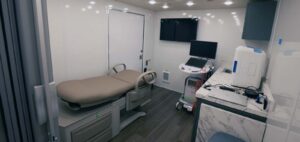
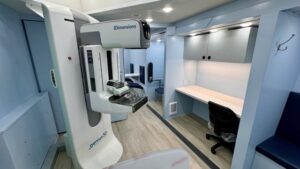
Mobile clinics serving school populations must be fabricated with pediatric friendly design and high throughput workflow in mind. Efficient intake areas reduce waiting times, while private exam rooms ensure confidentiality and compliance. Storage space for documentation, screening tools, and medical supplies must be integrated into the layout without crowding clinical zones.
Flexibility is essential. A well designed mobile clinic can shift between sports physicals, immunization updates, and general wellness screenings throughout the school year. Modular interiors allow providers to adapt quickly without costly retrofits.
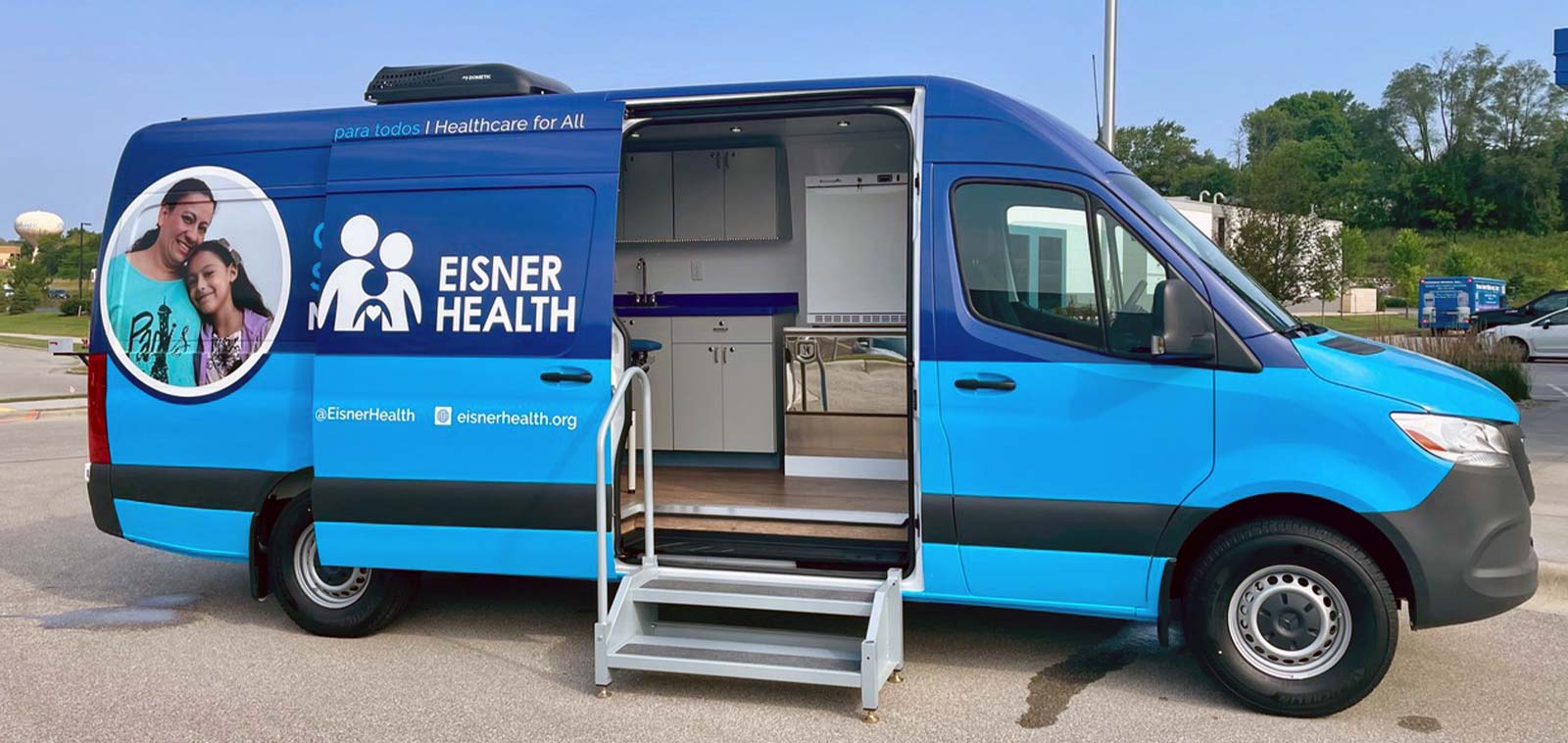
School partnerships also require careful attention to accessibility and safety standards. ADA compliant entry systems, stable stair access, and safe patient circulation pathways are critical components of responsible fabrication.
Public health agencies frequently emphasize preventive services in youth populations. Recommendations and outreach strategies supported by the Centers for Disease Control and Prevention reinforce the importance of early screening and access to care.
Healthcare organizations seeking to expand school based services can review CGS Premier’s mobile healthcare solutions, which are engineered to support multi exam configurations and streamlined patient flow.
For additional context on school health program best practices, the American Academy of Pediatrics provides updated guidance on preventive care delivery.
March planning ensures clinics are ready before the late spring surge begins.